
Cooperative Care Training
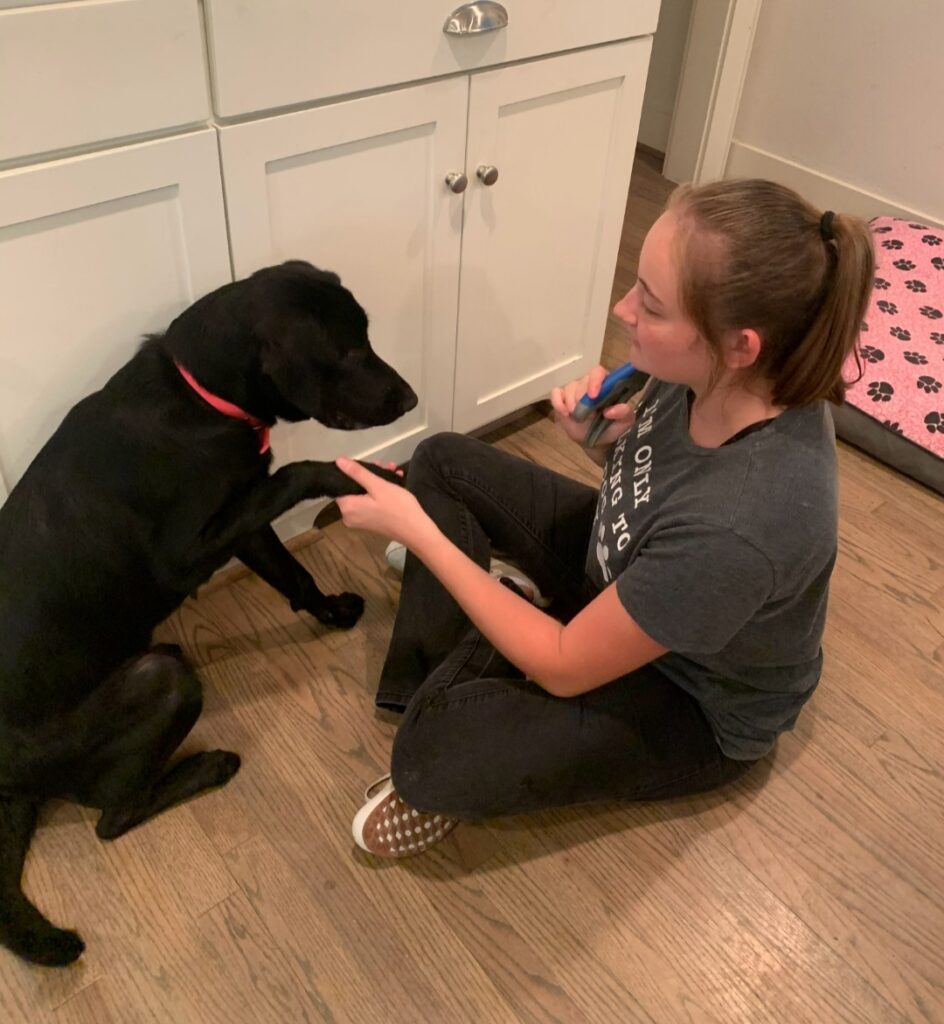
Cooperative care is built on a simple but powerful principle: choice creates trust, and trust creates cooperation.
Rather than relying on restraint or force, cooperative care focuses on teaching animals how to willingly participate in their own care. Through communication, patience, and positive reinforcement, we help animals understand what is being asked of them—and give them the ability to choose engagement.
This approach transforms everyday care into an opportunity for connection, reducing stress while strengthening the relationship between animals and their caregivers.
What is Cooperative Care?
Cooperative care is a behavior-based training approach that allows animals to actively participate in medical, grooming, and husbandry procedures.
This method is grounded in:
- Clicker training and marker-based communication
- Positive reinforcement only (no punishment-based methods)
- Classical conditioning and desensitization
- Operant conditioning principles
- Respect for the animal’s emotional and physical boundaries
It is designed to reduce fear, increase voluntary participation, and build long-term trust
Why Cooperative Care Matters
Cooperative care supports both emotional well-being and practical daily living.
It helps:
- Reduce fear, anxiety, and stress during care procedures
- Build confidence and emotional resilience
- Strengthen the human–animal bond through trust-based communication
- Improve safety for both animals and caregivers
- Create smoother veterinary and grooming experiences
- Support long-term welfare through predictable, positive interactions
What We Can Work On
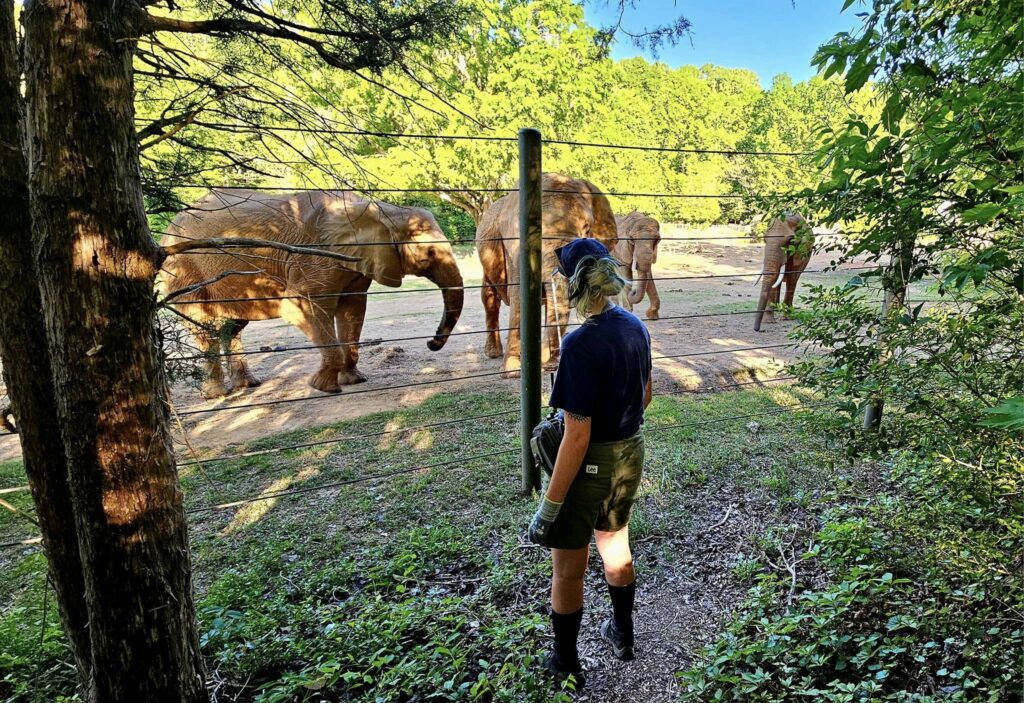
Cooperative care can be applied to nearly every species and situation, including companion animals, exotic pets, and some wildlife care contexts.
Training may include:
- Nail trims and paw handling
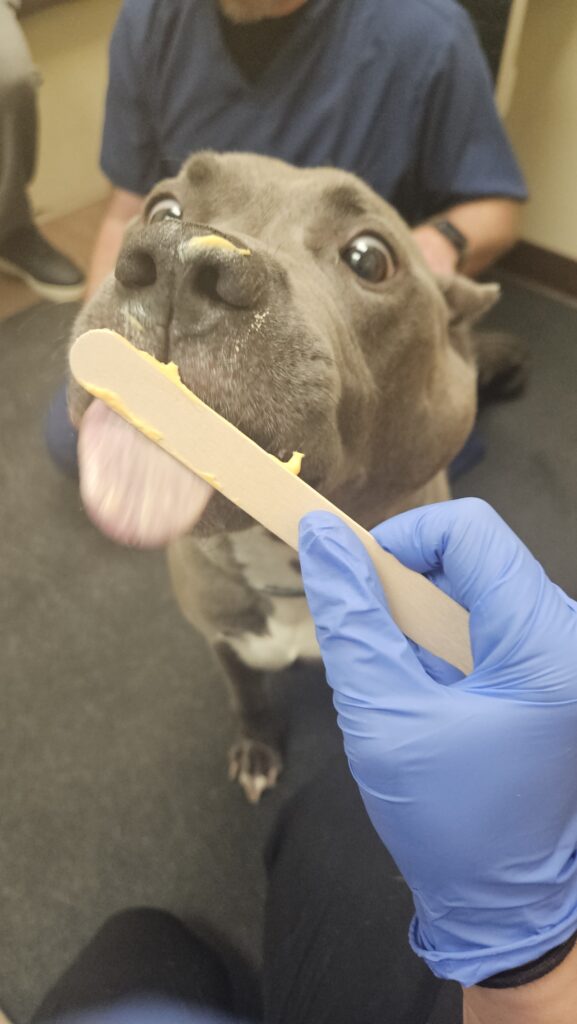
- Veterinary examination preparation
- Carrier and kennel training
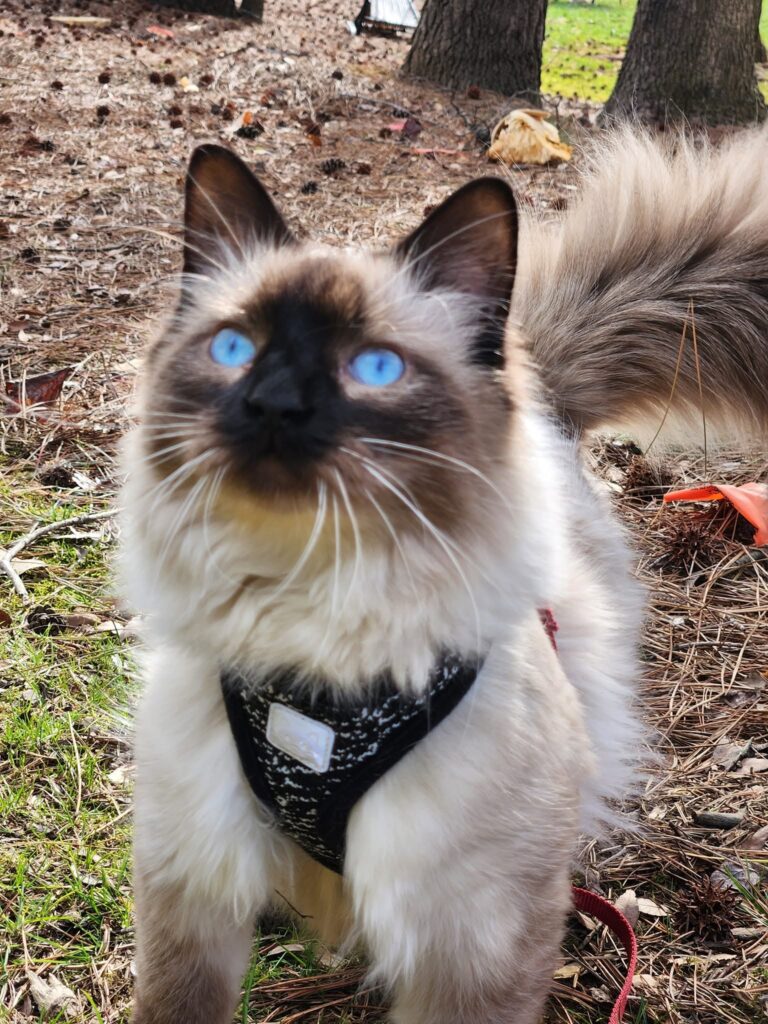
- Leash and harness training
- Stationing and mat training
- Target training and communication cues
- Desensitization to touch, equipment, and procedures
- Counterconditioning for fear-based responses
- Teaching incompatible behaviors (e.g., calm stationing instead of door rushing or barking)
- Cooperative grooming and husbandry routines
Core Training Methods
All training is built on modern, humane learning theory:
Clicker Training
Clear communication using marker signals to reinforce desired behaviors.
Positive Reinforcement
Reward-based learning that strengthens confidence and willingness to participate.
Desensitization & Counterconditioning
Gradual exposure paired with positive associations to reduce fear responses.
Operant Conditioning
Teaching animals how their behavior influences outcomes in a predictable, safe way.
Cooperative care is not limited to one type of animal.
We work with:
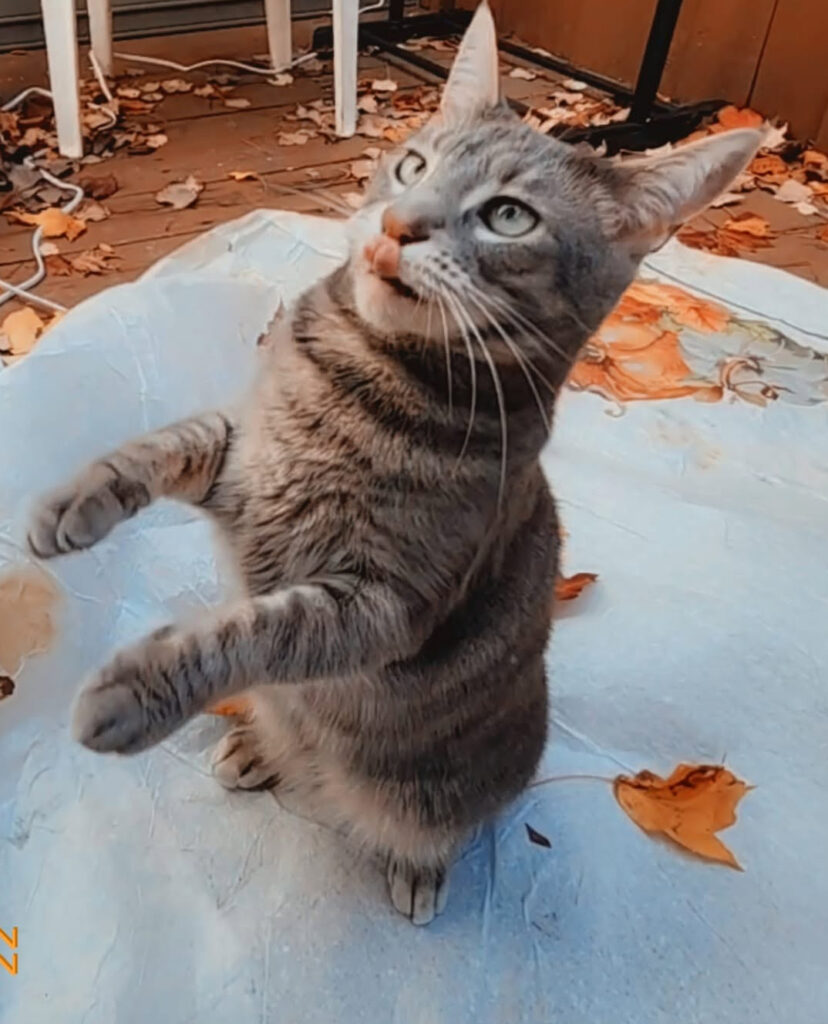
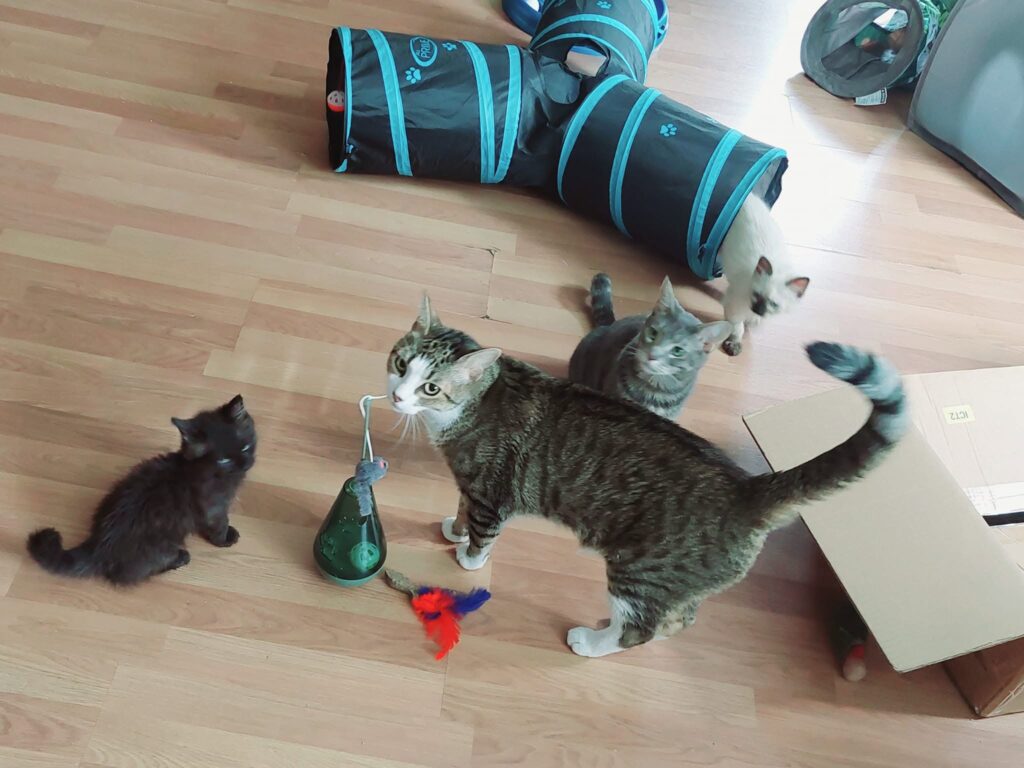
- Cats
- Dogs
- Small mammals
- Birds
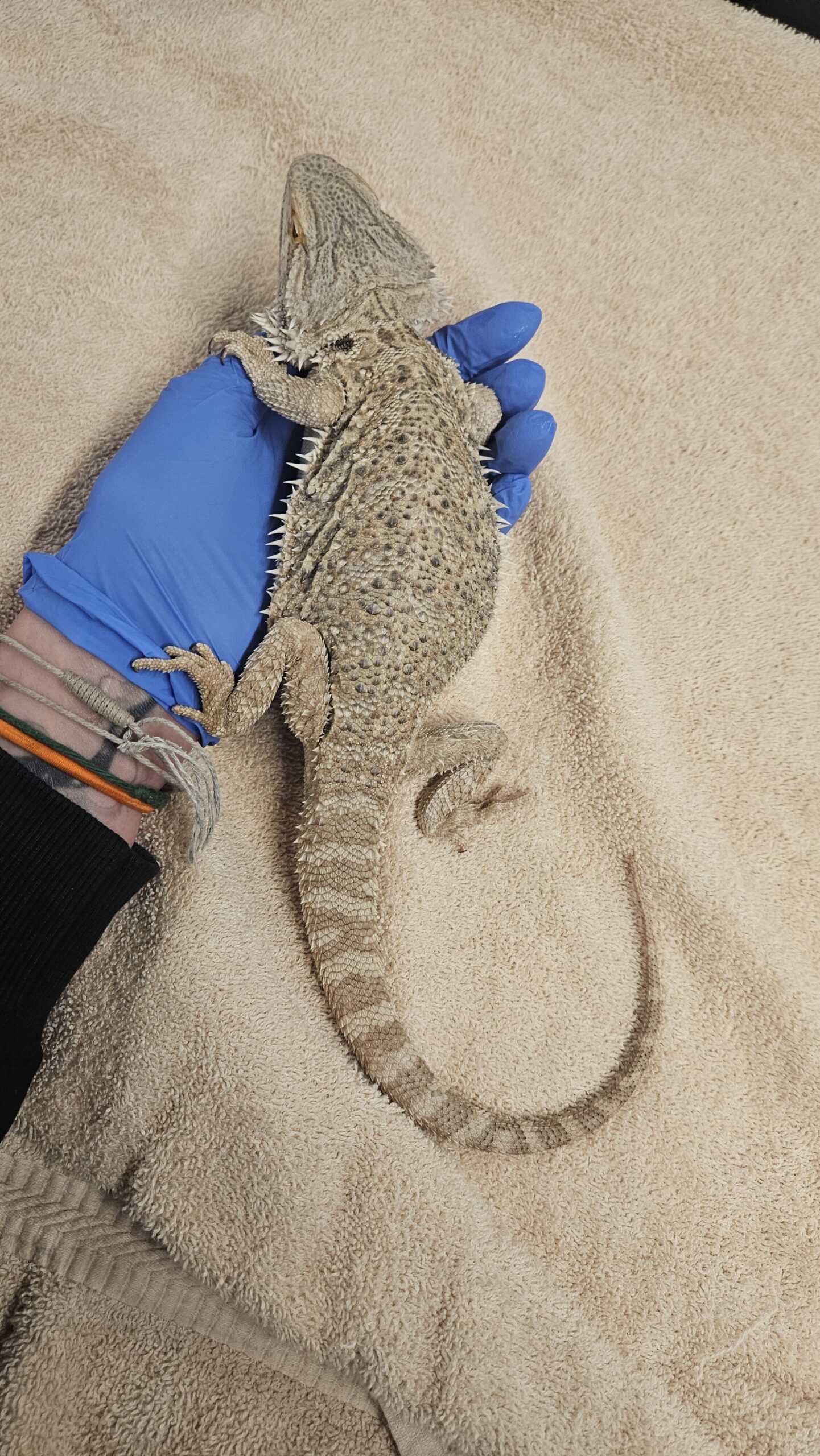
- Reptiles
- Exotic companion animals
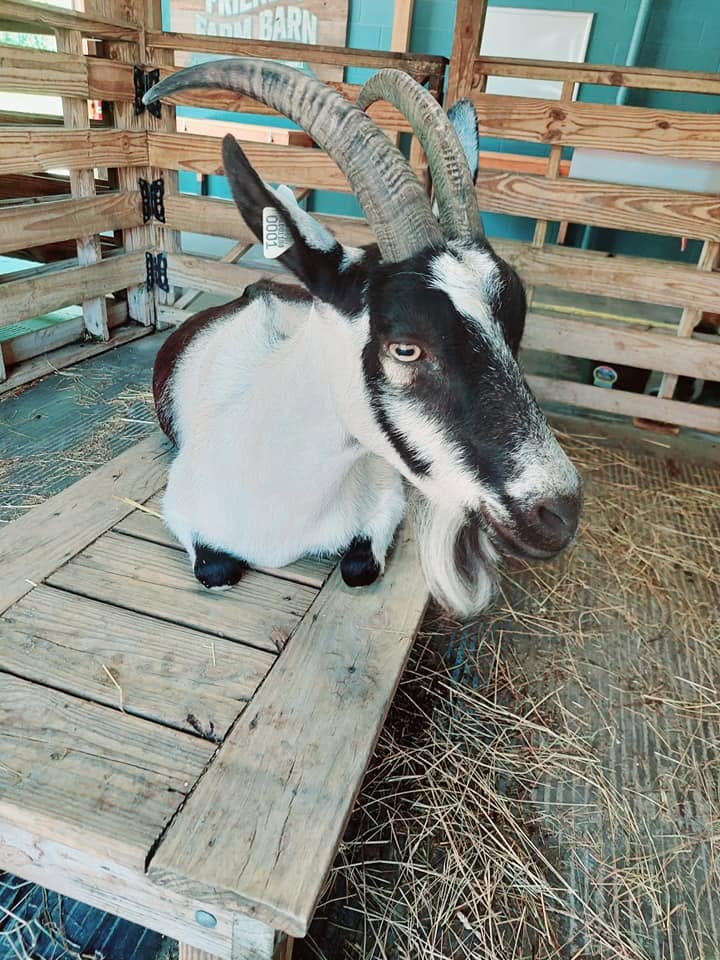
- Other species on a case-by-case basis
Every species is capable of learning through communication, consistency, and trust-based training.




What to Expect
Each session is tailored to the individual animal and caregiver relationship.
- Assessment of behavior, environment, and goals
- Identification of stress points and handling challenges
- Step-by-step cooperative training plan
- Hands-on coaching (virtual or in-person)
- Practical homework for real-world application
- Ongoing support through follow-up sessions
A Shift in Perspective
Cooperative care is not about compliance—it is about communication.
When animals are given choice and clarity, behavior changes from resistance to participation. Procedures that were once stressful can become predictable, manageable, and even positive experiences.
Begin Cooperative Care Training
Whether you are preparing for veterinary visits, grooming routines, or simply want to deepen trust with your animal, cooperative care provides a foundation for lasting connection